Open Source Software Supply Chain Security
A comprehensive guide to understanding, protecting, and governing the open source software supply chain.
| Understanding the Software Supply Chain | Protecting the Software Supply Chain | Governing the Software Supply Chain |
|---|---|---|
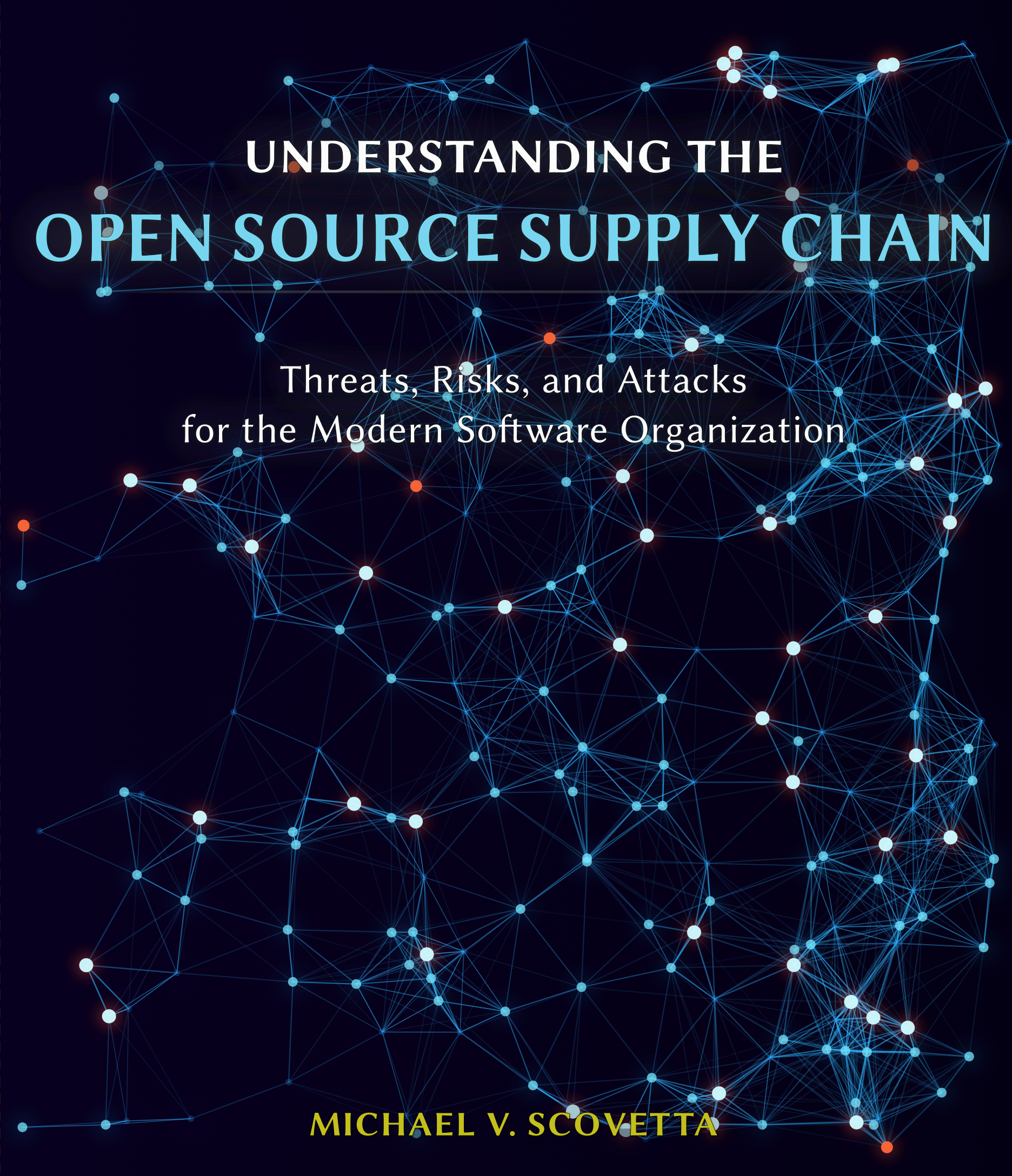 |
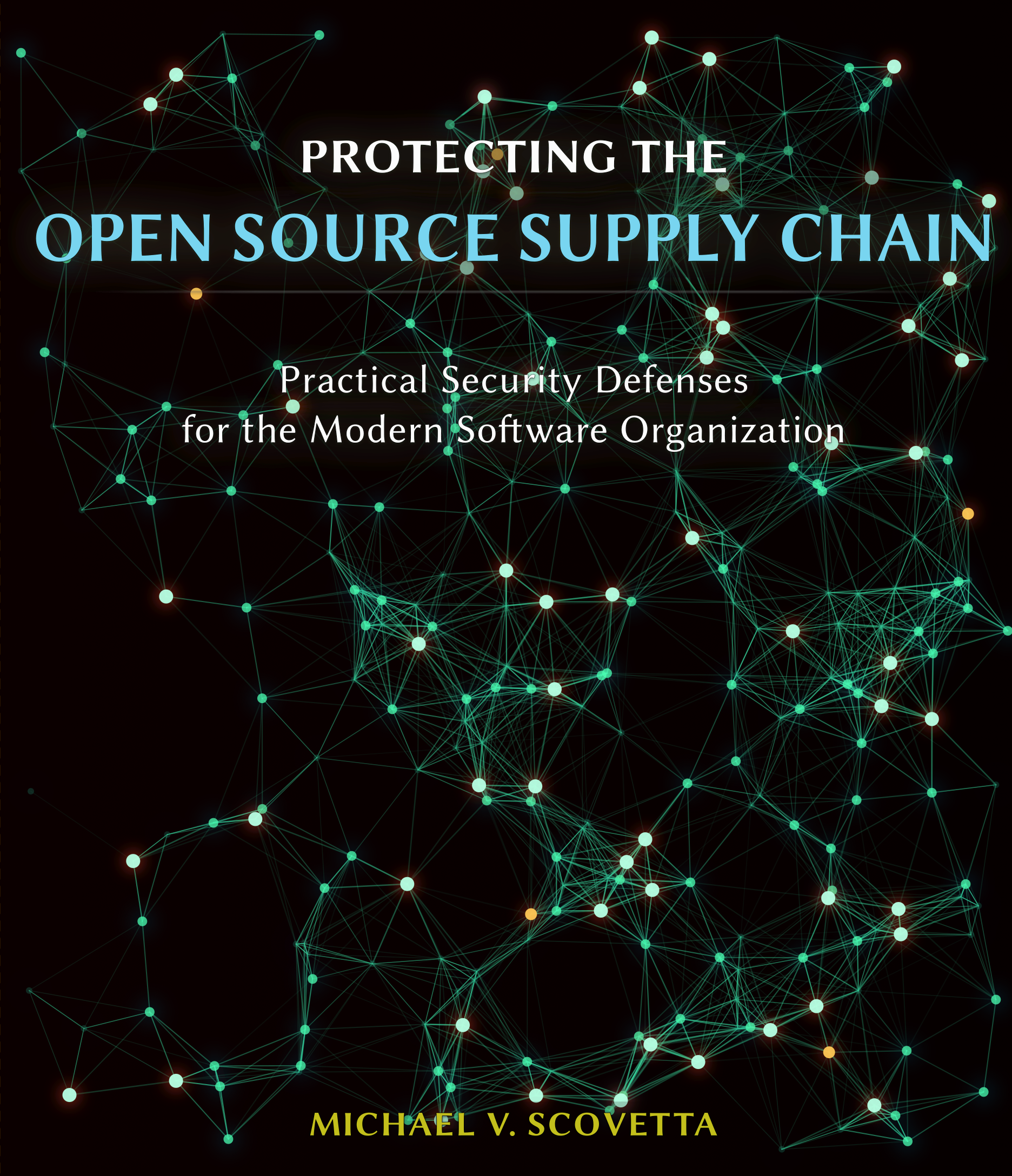 |
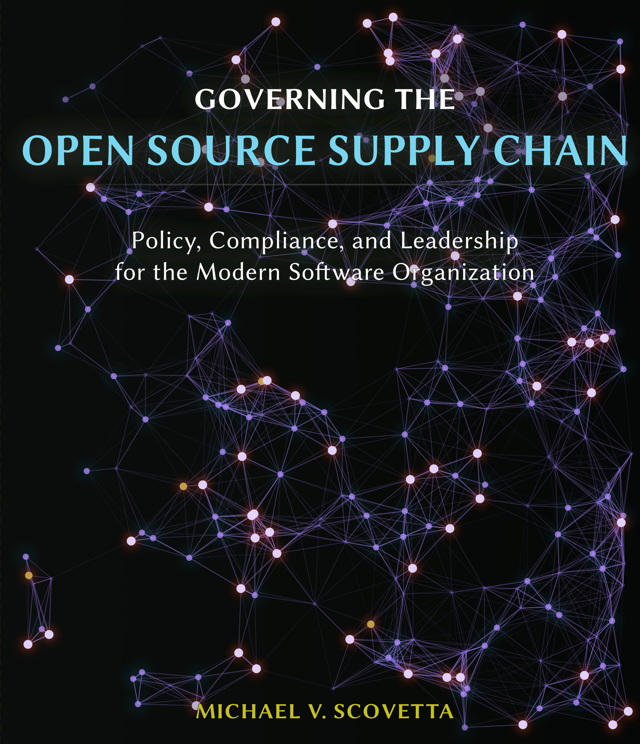 |
| [ Read Online ] [ Download PDF ] |
[ Read Online ] [ Download PDF ] |
[ Read Online ] [ Download PDF ] |
About This Book Series
Modern software is built from thousands of components sourced from global repositories, open source projects, and third-party vendors. This interconnected ecosystem delivers unprecedented productivity but creates complex webs of trust that attackers increasingly exploit.
This three-book series provides practitioners with the knowledge and tools to secure their software supply chains, from understanding the threats to implementing defenses to building organizational programs.
The Books
Book 1: Understanding the Software Supply Chain
Chapters 1-10 | Foundations and Attack Patterns
Provides a comprehensive foundation for understanding software supply chain security. Examines how software is actually built today, explores the threat landscape in depth, and analyzes attack patterns in granular detail.
- Part I - Foundations: How software is built, supply chain threats, historical attacks
- Part II - Attack Patterns: Malicious packages, dependency confusion, typosquatting, build system attacks, insider threats, social engineering
Book 2: Protecting the Software Supply Chain
Chapters 11-22 | Practical Defenses and Incident Response
Translates threat knowledge into practical defenses across the development lifecycle, from dependency selection through production deployment.
- Part III - Risk Assessment & Testing: Risk measurement, SBOMs, dependency management, security testing, red teaming
- Part IV - Defense & Response: Securing development environments, CI/CD pipelines, distribution, incident response, crisis communication
- Part V - Operationalizing Defense: Building security programs, platform engineering
Book 3: Governing the Software Supply Chain
Chapters 23-33 | Policy, Compliance, and Organizational Strategy
Addresses human, policy, and strategic dimensions: organizational commitment, regulatory compliance, economic incentives, and industry collaboration.
- Part V - People & Organizations: Training and security culture, open source maintainers, vendor risk management
- Part VI - Regulatory & Legal: Regulatory landscape, compliance frameworks, legal considerations, industry initiatives
- Part VII - Context & Future: Economics, geopolitics, lessons from other industries, future directions
Appendices
- Appendix A: Glossary - Key terms and definitions
- Appendix B: Resource Guide - Curated resources for further learning
- Appendix C: SBOM and AI-BOM Guide - Practical guidance on software bills of materials
- Appendix D: Security Checklist - Actionable security checklists
- Appendix E: Sample Policies and Templates - Ready-to-use policy templates
- Appendix F: Incident Timeline - Historical supply chain incidents
- Appendix G: Ecosystem Guides - Language and ecosystem-specific guidance
- Appendix H: Compliance Mapping - Mapping to compliance frameworks
- Appendix I: Legal Disclaimers - Legal disclaimers and limitations
- Appendix J: Platform Security Configuration Guides - Step-by-step GitHub and GitLab security setup
How to Use This Resource
For security practitioners: Start with Book 2 for immediate, actionable defenses, then reference Book 1 for deeper threat understanding.
For developers: Begin with Book 1, Chapter 1 to understand the landscape, then jump to Book 2's chapters on dependency management and secure development.
For executives and managers: Book 3 covers organizational programs, regulatory requirements, and strategic considerations.
For open source maintainers: See Chapter 24 in Book 3 for guidance specific to your role, and Appendices D and J for reference material and walk-throughs.
Use the search feature to find specific topics across all three books.
License
This work is licensed under the MIT License1. You can copy, modify, distribute, and use the work, even for commercial purposes, with attribution.
-
Open Source Initiative, "MIT License," https://opensource.org/licenses/MIT ↩